When Can You Actually Do Crunches Again After Having a Baby?

Quick Answer: Traditional crunches aren’t recommended until diastasis recti (abdominal separation) has closed to under 2 finger-widths, which for many people is 8-16 weeks postpartum but varies significantly — a physical therapist check is more reliable than any fixed week count.
The “6 weeks and you’re cleared” postpartum timeline gets repeated constantly, but abdominal readiness doesn’t follow a universal calendar.

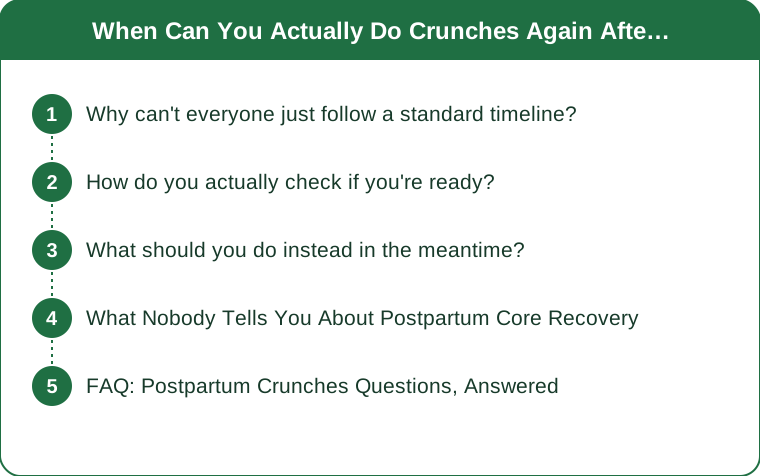
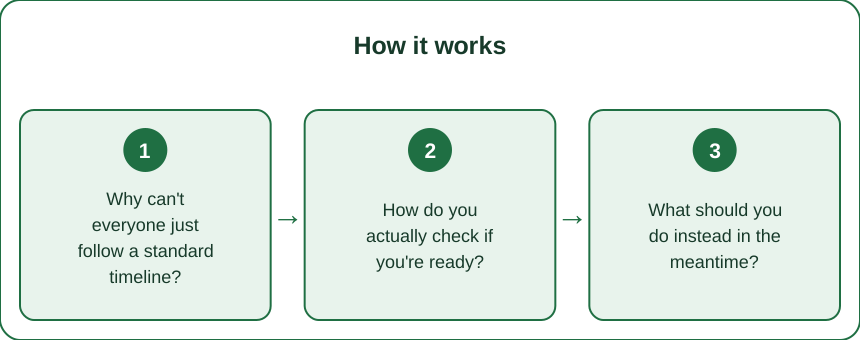
Why can’t everyone just follow a standard timeline?
Diastasis recti — the separation of abdominal muscles that happens during pregnancy — closes at dramatically different rates depending on the pregnancy, delivery type, and individual tissue healing. Some people measure under 2 finger-widths by 8 weeks; others take 6 months or need targeted rehab to close the gap at all.
How do you actually check if you’re ready?
Lie on your back, knees bent, and gently lift your head while feeling along the midline above and below the belly button — if you feel a gap wider than 2 finger-widths or notice doming/coning along the midline, traditional crunches aren’t appropriate yet regardless of how many weeks have passed.
What should you do instead in the meantime?
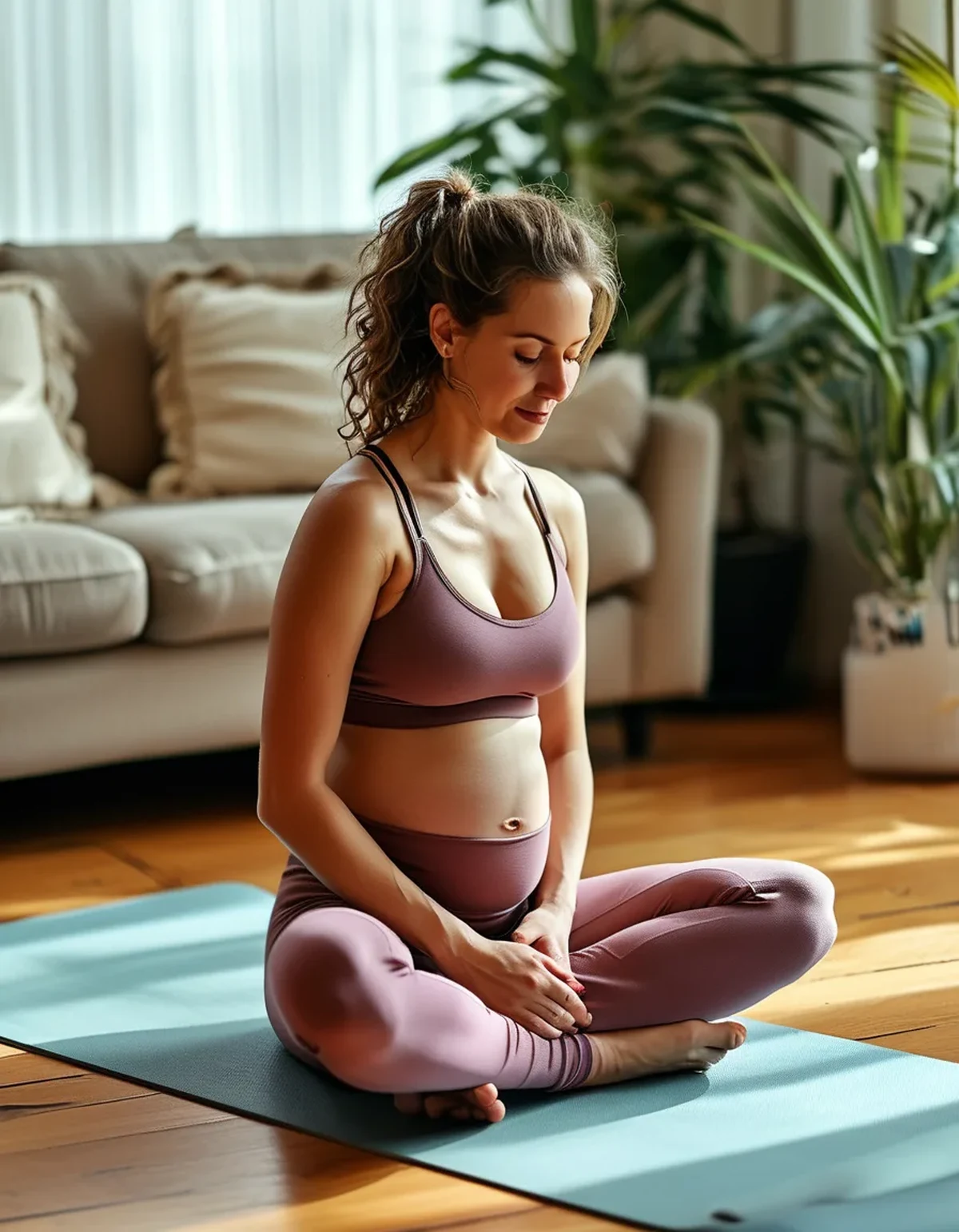
Transverse abdominis activation (gentle pelvic tilts, breathing-based core engagement) rebuilds deep core function without the intra-abdominal pressure that crunches create, which can worsen separation if done too early. This groundwork actually speeds up eventual readiness for crunches rather than delaying it.
What Nobody Tells You About Postpartum Core Recovery
A visibly flat postpartum belly doesn’t necessarily mean the diastasis has closed — the gap can still exist under a flat-looking surface, which is why the finger-width check matters more than how things look, and why a pelvic floor physical therapist assessment catches issues a mirror check misses.
FAQ: Postpartum Crunches Questions, Answered
Is it ever too late to close diastasis recti?
No — targeted core rehab can improve closure even years postpartum, though it typically progresses faster within the first year.
Can I do planks before crunches are cleared?
Planks also require full core assessment first, since they load the midline similarly to crunches — check with a provider before either.
Should I see a pelvic floor physical therapist even without symptoms?
Many providers recommend at least one postpartum PT assessment regardless of symptoms, since some separation isn’t obvious without hands-on checking. This is general information, not medical advice.
TL;DR:
- Traditional crunch readiness depends on diastasis closing under 2 finger-widths, not a fixed week count
- Check yourself lying down, feeling along the midline for gap and doming
- Transverse abdominis work rebuilds core safely while you wait
- A flat-looking belly doesn’t guarantee the gap has closed
This is general information, not medical advice — a pelvic floor PT assessment is the most reliable way to know you’re actually ready, not just far enough along on a calendar.
See It in Motion
Seen here: Maternity Capris with Side Pockets — shop it on bubblelime.com
Keep Reading
This article is for general informational and styling purposes only. Fit, sizing, and product availability may vary.