How Sleep Affects Postpartum Weight (And What to Do)

Quick Answer: Broken sleep genuinely makes postpartum weight loss harder — it raises ghrelin (hunger), lowers leptin (fullness), and elevates cortisol, so you’re hungrier, less satisfied, and more inclined to store fat. This is biology, not willpower. Protect one rest period a day, prioritize protein and fiber over restriction, and expect the timeline to stretch. Weight that comes off as sleep returns tends to stay off.
You’re four months in, running on broken sleep, and the weight isn’t moving. Somewhere in the back of your mind is the suspicion that you’re just not trying hard enough.
You’re trying plenty. The problem is that exhaustion has its hand on the hormonal controls, and it’s been there since the baby arrived.

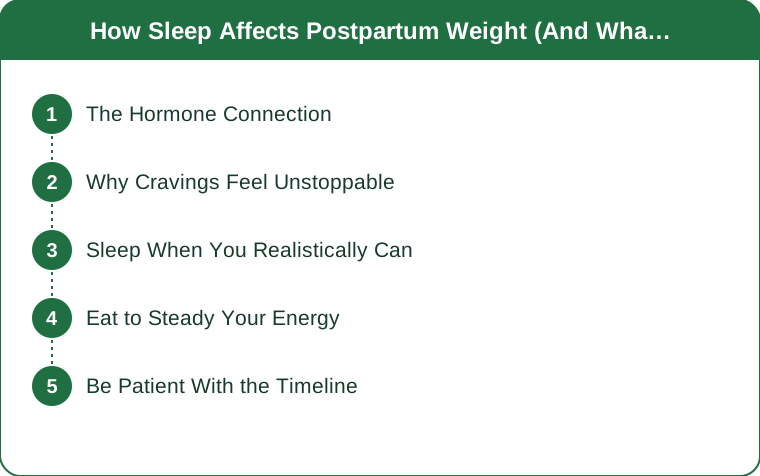
Does Lack of Sleep Really Affect Postpartum Weight?
Yes, and the mechanism is well documented — three hormones, all pushing the same direction.
Ghrelin goes up. Ghrelin is the hormone that says “eat.” Sleep restriction reliably raises it. You wake up hungrier than you would be on a full night, before you’ve made a single decision about food.
Leptin goes down. Leptin is the one that says “that’s enough.” With less of it circulating, meals that used to satisfy you don’t quite land, and you finish eating still looking for something.
Cortisol goes up. Chronically elevated cortisol nudges the body toward holding onto fat — particularly around the middle — and toward preferring quick energy over stored energy.
Put those together and you get the exact experience most new parents describe: hungrier, less satisfied, craving sugar, and holding weight despite eating what feels like a reasonable amount.
None of this is a personal failing. It’s a body responding logically to a genuine energy emergency. And the postpartum version stacks on top of recovery from birth, possible breastfeeding demands, and a hormonal landscape that’s still resettling.
Why Do the Cravings Feel Impossible to Fight?
Because on very little sleep, your brain reaches for the fastest available energy — which means sugar and refined carbs.
This is a survival response, not a discipline problem. Research on sleep-restricted adults consistently shows increased preference for high-calorie, high-carbohydrate food, and reduced activity in the parts of the brain that handle impulse control. You are, functionally, making food decisions with less of the equipment that normally makes them.
Fighting that with pure willpower rarely works and mostly generates guilt. What works better is removing the decision: having something acceptable already made, already in reach, at the times you know you’ll be depleted.

What Actually Helps? (Realistic Version)
1. Protect one rest period a day. “Sleep when the baby sleeps” is famously easier to say than do, but even a 30-minute rest measurably helps regulate appetite hormones. Pick one nap window and defend it — let the dishes lose. Rest isn’t indulgent right now; it’s part of recovery.
2. Eat to steady your blood sugar, not to restrict. This is the single highest-value shift. Aim for protein at every meal — 20–30g if you can — plus fiber. Steady blood sugar means fewer desperate 3pm cravings and more capacity to move your body at all.
3. Make eating require zero decisions. Boiled eggs, Greek yogurt, cheese, nuts, pre-cut fruit, leftover chicken. If the easiest thing in reach is decent, you’ll eat decent. If it’s a biscuit, you’ll eat the biscuit — and that’s a kitchen problem, not a character problem.
4. Don’t diet on broken sleep. Restriction on top of sleep deprivation raises cortisol further, and if you’re breastfeeding it can affect supply. This is genuinely the wrong season for a deficit.
5. Move gently, and count it. A walk with the stroller is real exercise. It also helps sleep quality on the nights you do get a stretch, which feeds back into everything above.
6. Be patient with the timeline. Your body spent nine months changing. On limited sleep it needs longer, not less. Weight that comes off gradually as sleep improves is the kind that stays off.
Myth vs Fact
Myth: If you just ate less, the weight would come off. Fact: Restriction while sleep-deprived raises cortisol, worsens cravings, and is associated with a higher chance of rebound. Sleep and food quality move the needle further than a calorie deficit does in this specific season.
Myth: Breastfeeding automatically drops the weight. Fact: It burns real energy, but it also increases appetite for many people, and the net effect varies enormously. Some people lose easily while nursing; others hold weight until they stop. Both are normal.
Myth: You should be “back to normal” by six weeks. Fact: The six-week checkup is a medical clearance, not a deadline for your body. Recovery commonly takes 6–12 months, and longer with poor sleep.
Myth: Naps ruin your night sleep. Fact: That advice is for people with insomnia sleeping a full night. When you’re running a significant sleep debt, any sleep you can get is helping.
FAQ
How much sleep do you need for weight loss postpartum?
Seven hours or more is the general target, but that’s frequently not available with a newborn. What’s actionable is total sleep across 24 hours, including naps — protecting a daytime rest period is usually more achievable than fixing the nights, and it still helps the hormone picture.
Why am I gaining weight postpartum despite eating well?
Sleep deprivation, elevated cortisol, fluid retention, and thyroid changes are the common culprits. Postpartum thyroiditis affects a meaningful minority of new parents and is easy to miss — if you’re gaining despite eating well and feeling unusually cold, tired, or low, ask for a thyroid panel.
When will my body feel like mine again?
Most people describe a real turning point somewhere between 6 and 12 months, and it tends to track with sleep improving rather than with anything they did about food. That’s frustrating to hear and also genuinely useful, because it means the most productive thing to work on is sleep.
When to see a professional: talk to your doctor if you’re gaining weight unexpectedly, feel persistently exhausted beyond what your sleep explains, or notice symptoms of low mood, anxiety, or intrusive thoughts. Postpartum depression, anxiety, and thyroid conditions are all common, all treatable, and all frequently mistaken for “just being tired.” A registered dietitian who works with postpartum clients is also worth the visit if food feels like a daily struggle.
TL;DR
- Sleep loss raises ghrelin, lowers leptin, and raises cortisol — hungrier, less satisfied, more fat storage.
- Cravings for sugar are a survival response, not a discipline failure.
- Protect one rest period a day. Even 30 minutes helps the hormones.
- Protein and fiber at every meal. Don’t diet on broken sleep.
- Make the easy option a decent one — you’ll eat whatever’s within reach at 3am.
- Expect 6–12 months. Weight that leaves as sleep returns tends to stay gone.
- Unexplained gain, deep exhaustion, or low mood — see your doctor, and ask about thyroid.
You’re doing better than you think.
See It in Motion
Seen here: Maternity Capris with Side Pockets — shop it on bubblelime.com
Keep Reading
This article is for general informational and styling purposes only. Fit, sizing, and product availability may vary.