Why Your Postpartum Weight Isn't Distributing the Way It Used to (and What Actually Helps)

Quick Answer: Postpartum hormonal shifts, particularly changes in estrogen and cortisol patterns, can genuinely change where your body stores fat compared to before pregnancy — this is a real physiological shift, not a sign that your effort isn’t working. It typically continues settling for 12-18 months postpartum.
The number on the scale finally matches where it was before the baby, but your body doesn’t look the way it used to at that number. That gap is confusing, and it’s also completely explainable.

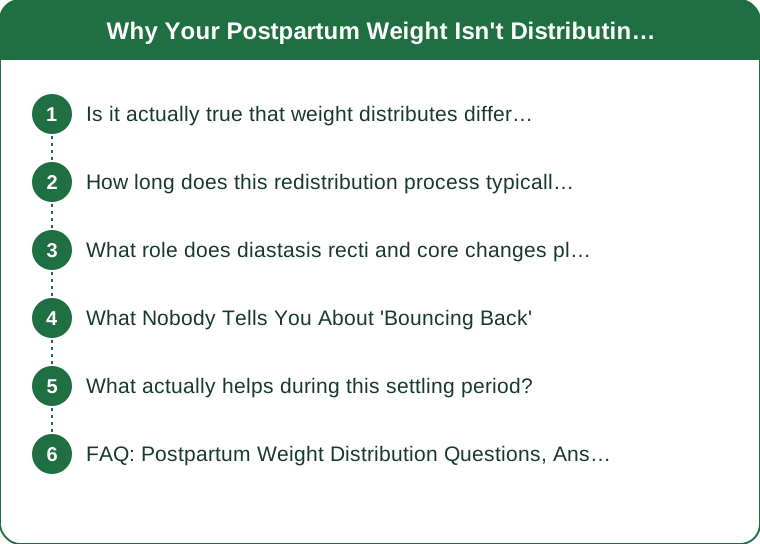
Is it actually true that weight distributes differently after pregnancy?
Yes — this has a real physiological basis, not just a subjective feeling. Hormonal shifts during and after pregnancy, especially changes in estrogen levels and ongoing cortisol patterns from sleep deprivation and new-parent stress, can genuinely influence where the body stores fat compared to your pre-pregnancy pattern.
Some research and clinical observation suggests postpartum bodies may shift toward slightly more abdominal fat storage compared to pre-pregnancy patterns, partly due to these hormonal changes and partly due to the physical changes in abdominal muscle and skin from carrying a pregnancy. None of this is within your direct control the way diet or exercise choices are, which is worth remembering on days the mirror feels discouraging.
How long does this redistribution process typically take?
Most postpartum hormonal patterns take 12-18 months to fully settle back toward a new baseline, which is considerably longer than the commonly cited ‘six weeks’ recovery window most people assume. Breastfeeding can extend this timeline further, since it maintains certain hormonal patterns until weaning.
This is exactly why the scale returning to a familiar number at 3 or 6 months postpartum doesn’t necessarily mean your body composition and shape have finished settling yet — the process is often still ongoing.
What role does diastasis recti and core changes play in this?
Separately from fat distribution, diastasis recti — the separation of abdominal muscles that occurs in most pregnancies to some degree — can change how your midsection looks and feels even at the same weight and fat percentage as before. A softer, less defined abdominal profile isn’t always a fat storage issue; it can be a muscle and connective tissue issue that needs targeted core rehab, not weight loss.
This is worth distinguishing because the two require different approaches: fat distribution shifts respond to time and overall health habits, while diastasis recti often responds specifically to targeted core reconnection exercises.

What Nobody Tells You About ‘Bouncing Back’
Most postpartum messaging implies that hitting your pre-pregnancy weight means looking the way you did before, but weight and shape are not the same measurement, and pregnancy can permanently or semi-permanently change things like skin elasticity, muscle tone patterns, and fat distribution regardless of the number on the scale. This isn’t a failure of effort — it’s a different starting point than before.
Some shape changes genuinely are permanent for some women (hip width, skin texture), while others (fat distribution, muscle tone) continue to shift and can improve with time and consistent, realistic habits.
What actually helps during this settling period?
Strength training, specifically, tends to help more than cardio alone for reshaping how your body carries its current weight, since building muscle changes composition even when the scale doesn’t move dramatically. Consistent sleep (as much as realistically possible with a baby), stress management, and adequate protein intake all support the hormonal settling process rather than fighting against it.
Patience with the 12-18 month timeline, paired with consistent basic habits rather than aggressive short-term dieting, tends to produce more sustainable results than trying to rush the process.
FAQ: Postpartum Weight Distribution Questions, Answered
Will my body ever look exactly like it did before pregnancy?
For some women, yes; for others, certain changes (skin elasticity, hip width, abdominal shape) are more permanent — this varies significantly by individual factors like genetics, number of pregnancies, and specific circumstances.
Does breastfeeding affect how fat redistributes?
It can, since breastfeeding maintains certain hormonal patterns that may extend the settling timeline, though the overall effect varies significantly from person to person.
When should I be concerned about abdominal shape versus just accepting it’s part of recovery?
If you notice a visible doming or gap when you engage your core, that’s worth mentioning to a doctor or pelvic floor physical therapist as it may indicate diastasis recti that benefits from targeted rehab.
Does the number of pregnancies affect how permanent these changes are?
Generally, yes — each pregnancy adds cumulative changes to skin, muscle, and fat distribution, though the degree varies significantly based on genetics, age, and individual recovery factors.
TL;DR:
- Postpartum hormonal shifts can genuinely change fat distribution, not just perception
- Full settling often takes 12-18 months, longer than the commonly cited six-week window
- Diastasis recti is a separate muscle issue from fat distribution and needs different care
- Strength training, sleep, and patience support the process better than aggressive dieting
This is general information, not medical advice — check with your doctor about any core changes that concern you.
See It in Motion
Seen here: Maternity Capris with Side Pockets — shop it on bubblelime.com
Keep Reading
This article is for general informational and styling purposes only. Fit, sizing, and product availability may vary.