Why Postpartum Weight Loss Stalls Around the Same Point for Almost Everyone

Quick Answer: Postpartum weight loss commonly plateaus around 3-4 months as initial water weight and pregnancy fluid retention (which drop fast) give way to slower, genuine fat loss, and as metabolism adjusts to a new, lower body weight. This is a normal physiological shift, not a sign something’s wrong.
The first two months, the scale moved steadily. Then it just… stopped, for weeks, despite nothing changing about what you’re eating or how you’re moving. That stall has a specific, predictable, and very normal cause.

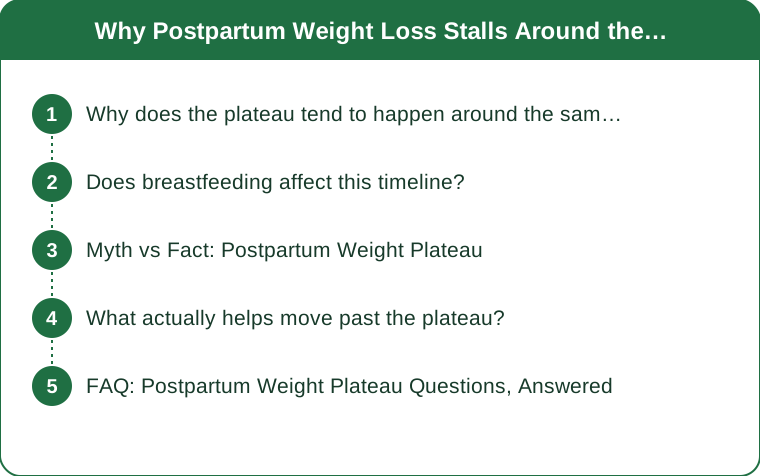
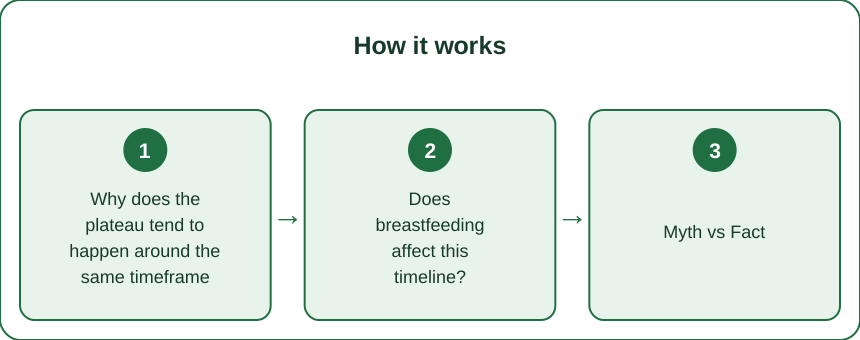
Why does the plateau tend to happen around the same timeframe for most people?
The first weeks postpartum involve losing significant water weight and fluid retention built up during pregnancy — this drop is fast and dramatic, which is why early progress often feels easier than it ‘should.’
By roughly 3-4 months, that fluid-weight drop is mostly complete, and remaining loss shifts to genuine fat loss, which happens at a fundamentally slower, less dramatic rate. The plateau isn’t a stall in real progress — it’s the transition from a fast phase to a naturally slower one.
Does breastfeeding affect this timeline?
It can, in both directions. Breastfeeding increases daily caloric needs by roughly 300-500 calories, which supports weight loss for some, but also increases hunger and can make maintaining a calorie deficit harder for others — the net effect varies significantly by individual.
Some people also find weight loss stalls or even reverses slightly around cluster feeding growth spurts (common around 3, 6, and 9 months) due to increased hunger and calorie needs during those windows specifically.
Myth vs Fact: Postpartum Weight Plateau
Myth: If the scale isn’t moving, you’re doing something wrong. Fact: A plateau around month 3-4 is a well-documented, common pattern tied to the fluid-to-fat-loss transition, not a sign of failure or a mistake in your routine.
Myth: Postpartum weight loss should follow the same pace pregnancy weight gain did. Fact: Fat loss postpartum is generally slower and less linear than pregnancy weight gain, since gain includes fluid, placenta, and baby weight that come off fast, while fat loss doesn’t.
Myth: Sleep deprivation doesn’t really affect weight loss, just energy. Fact: Chronic sleep deprivation disrupts hunger-regulating hormones (ghrelin and leptin), which can genuinely stall fat loss progress independent of diet or exercise consistency.
What actually helps move past the plateau?
Reassess your calorie needs, since a body at a new, lower weight requires fewer calories than it did at pregnancy weight — a deficit that worked at month 1 may no longer be a deficit at month 4 without an adjustment.
Prioritize protein and strength training over cardio alone during this phase — preserving and building muscle supports metabolism better than calorie restriction alone, especially given the profound sleep disruption most postpartum bodies are managing.
FAQ: Postpartum Weight Plateau Questions, Answered
How long does the typical postpartum plateau last?
Many people report it easing within 4-8 weeks once fat loss mechanisms (not fluid loss) become the primary driver, though timelines vary significantly by individual.
Should I increase exercise intensity to push through a plateau?
Not necessarily — sleep deprivation and recovery capacity postpartum often mean strategic nutrition adjustments matter more than adding more intense workouts during this specific stage.
Is it normal to not return to pre-pregnancy weight at all?
Yes — many bodies settle at a different stable weight postpartum than pre-pregnancy, which is a normal individual variation, not a failure to ‘complete’ weight loss. This is general information, not medical advice.
TL;DR:
- The 3-4 month plateau is the shift from fast fluid-weight loss to slower, genuine fat loss
- Breastfeeding and growth-spurt cluster feeding can both affect the timeline in either direction
- A calorie deficit that worked at month 1 may need recalculating by month 4
- Sleep deprivation genuinely disrupts hunger hormones, independent of diet and exercise effort
If you’re at the plateau now, that’s the expected transition point, not a sign to overhaul your entire routine.
See It in Motion
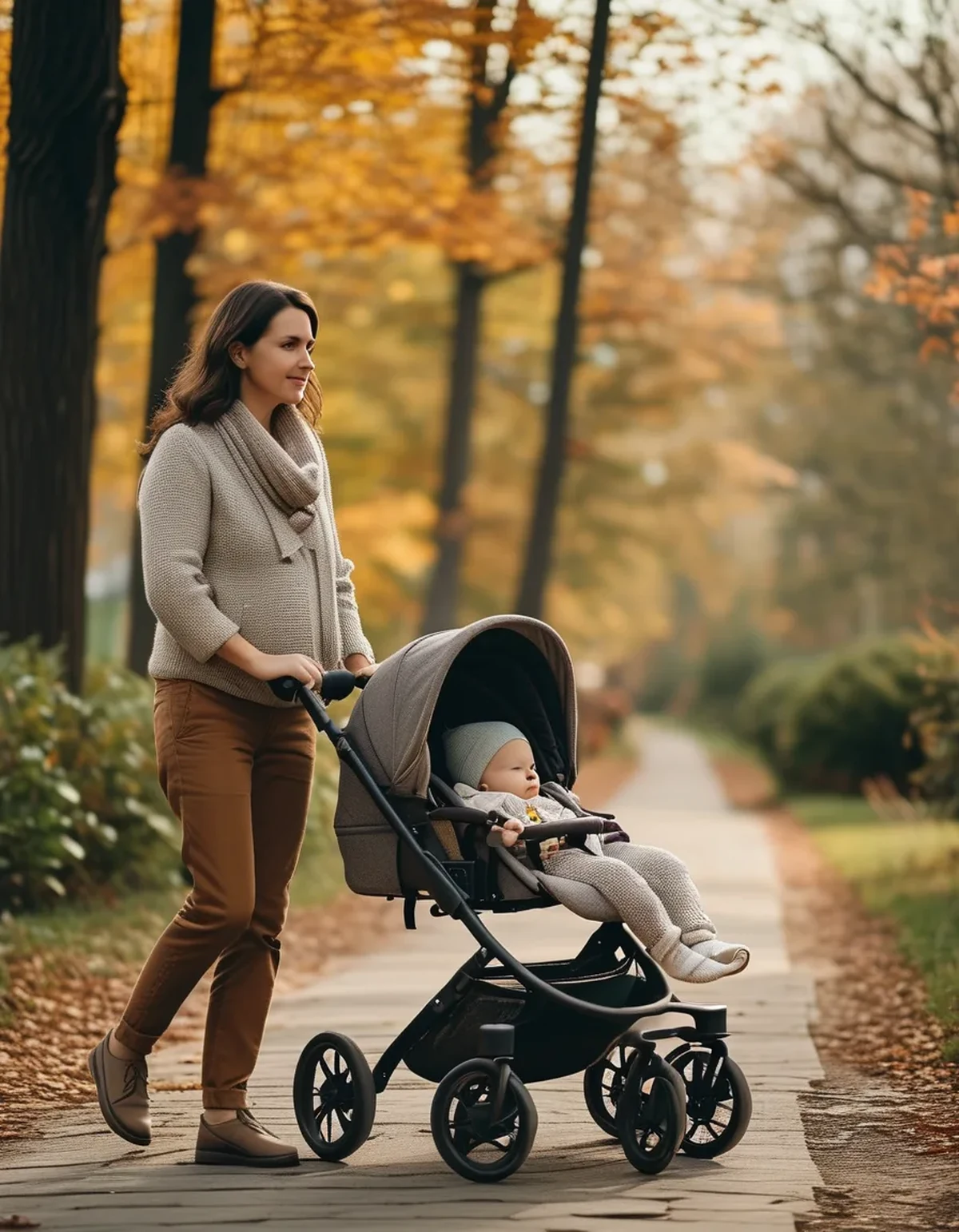
Seen here: Maternity Capris with Side Pockets — shop it on bubblelime.com
Keep Reading
This article is for general informational and styling purposes only. Fit, sizing, and product availability may vary.