Why Do Postpartum Group Fitness Classes Suddenly Feel So Much Harder Once They Move Indoors?

Quick Answer: Indoor postpartum fitness classes feel harder in fall not because your fitness dropped, but because four real environmental factors change at once: less personal space and visual room to modify at your own pace, warmer and less-ventilated air that raises perceived exertion, an unfamiliar rhythm dictated by a room full of other people instead of your stroller-and-baby pace, and the loss of the outdoor sensory breaks (fresh air, changing scenery) that made effort feel more manageable outside. None of these are really about strength or endurance — they’re about environment and pacing, and each one has a specific workaround.
That outdoor stroller class you’d finally gotten the hang of — pace matched to nap schedules, room to spread out, fresh air keeping things bearable — just moved indoors for the season, and suddenly the same moves at what feels like the same effort leave you gasping in a way they didn’t three weeks ago. This is general information, not medical advice.
Why Does a Crowded Room Change How Hard a Workout Feels?
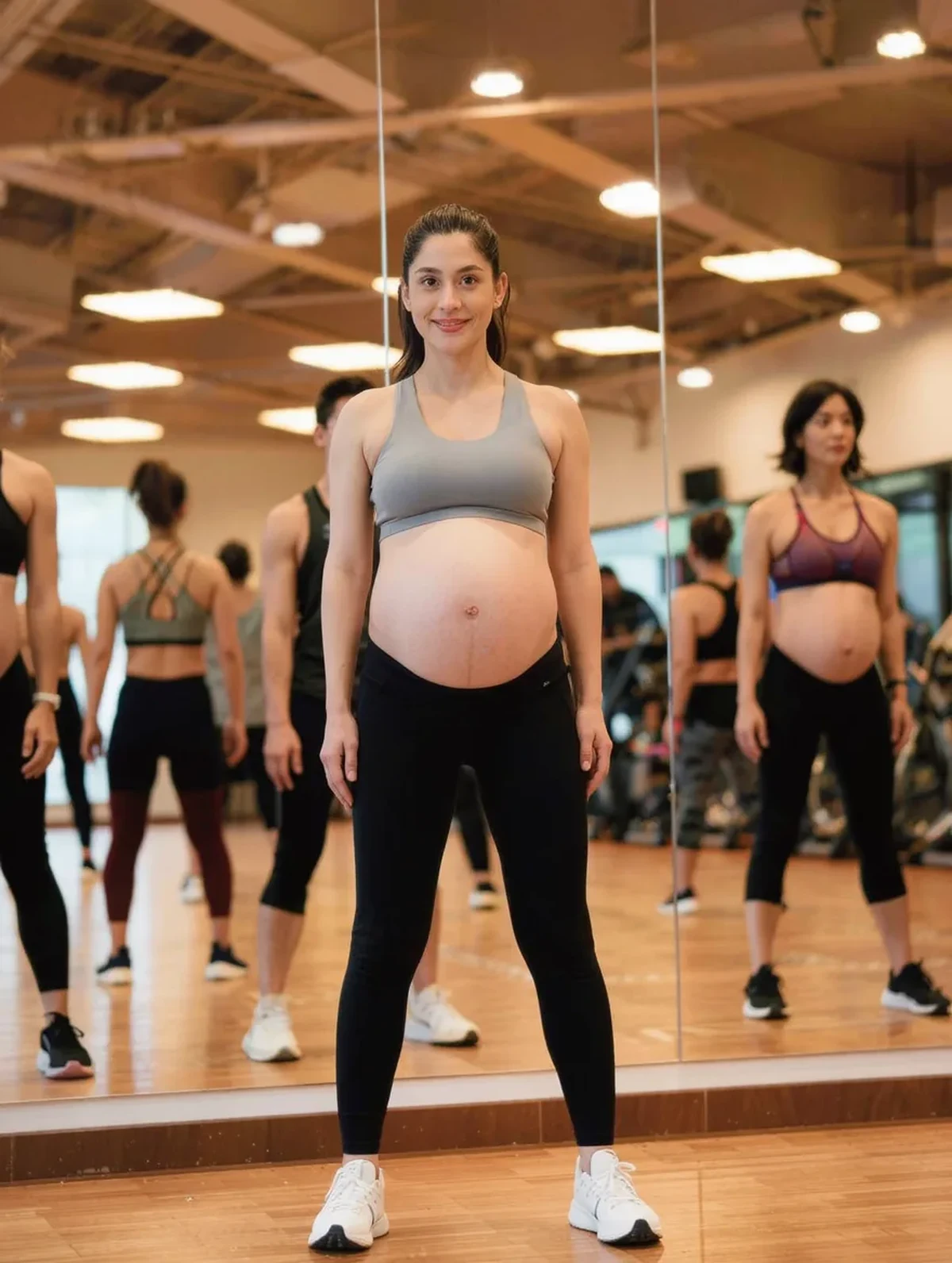
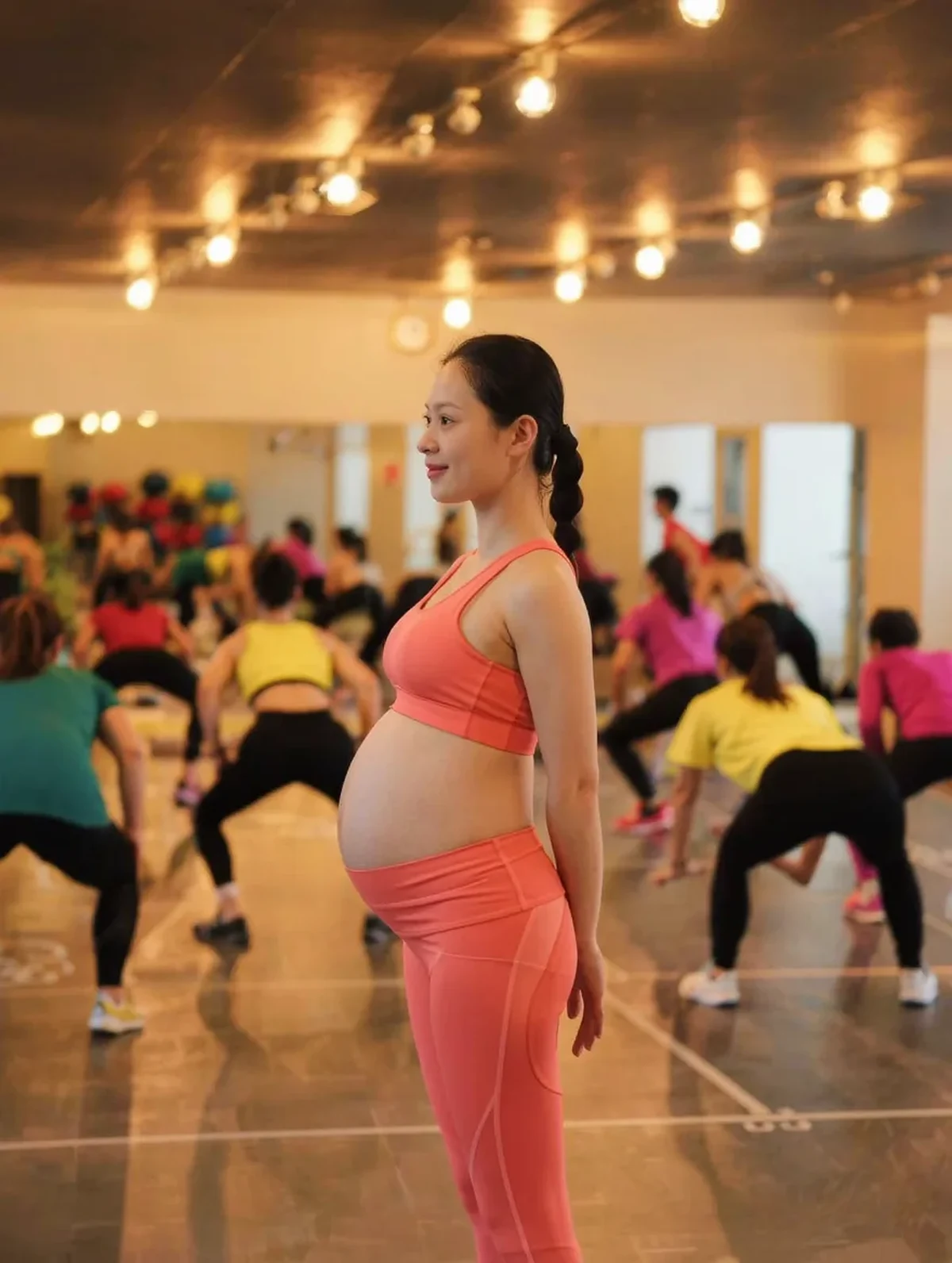
Outdoor stroller classes typically spread participants across a park lawn or trail with generous space between people — room to modify a move, adjust your stance, or simply see an instructor clearly from any angle. Indoor studios, especially popular postpartum or mom-and-baby classes once everyone migrates inside for the season, pack more bodies into a fixed floor plan. That density does more than feel crowded — it measurably narrows your available movement space and sightlines, which forces many exercisers into a version of the move that’s more cramped or rushed than the one they’d naturally choose outside.
There’s also a documented psychological effect where exercising in a crowded space raises perceived exertion even at an identical physical workload, partly through mild sensory overload (more visual movement, more noise, more body heat radiating from nearby people) and partly because postpartum bodies — already managing altered proprioception and core stability from pregnancy — rely more than usual on having space to self-correct form. Less room to do that means more energy spent on stabilizing and adjusting, energy that outdoors was going toward the actual exercise.
None of this means the workout got objectively tougher in terms of calories or reps. It means the cognitive and spatial load went up, and that load registers in your body as fatigue just as real as muscular fatigue does.
Is the Heat and Air Really a Factor, or Does It Just Feel That Way?
It’s not just perception. Indoor studios, particularly smaller postpartum-focused ones in strip-mall or converted-space locations, often have less airflow and higher ambient heat than an outdoor park once a full class of moving bodies is generating heat in an enclosed room. Elevated room temperature and reduced fresh air exchange raise your core body temperature and heart rate faster than the same movements performed outdoors in cooler fall air, which is a real physiological difference, not a mental one.
Postpartum bodies can be more heat-sensitive than usual for a few reasons: if you’re breastfeeding, you’re already managing a higher baseline fluid turnover and can dehydrate faster in warm rooms; postpartum thyroid function fluctuates for some people in the months after delivery, which can affect heat tolerance; and general postpartum fatigue lowers the threshold at which heat starts to feel oppressive rather than just warm.
The practical marker: if your heart rate feels elevated at the same class intensity you handled easily outdoors, and you’re sweating noticeably more or earlier than you did in the park, the room environment — not your fitness level — is very likely the bigger variable. Positioning yourself near a door, vent, or fan if the studio has one, and treating indoor hydration as a bigger priority than it was outdoors, addresses this directly.
Myth vs. Fact: Indoor Class Difficulty Postpartum
Myth: Feeling like the class is harder means your fitness has declined. Fact: environmental load (crowding, heat, ventilation) changes the felt difficulty of an identical workout significantly — this is measurable and doesn’t reflect a drop in strength or cardio capacity.
Myth: Everyone else in the class is finding it easier, so something’s wrong with you. Fact: everyone is adjusting to the same seasonal transition; the outdoor-to-indoor shift affects the whole room, even if some people are further along in acclimating or have done indoor classes longer.
Myth: You should just push to match the group’s pace regardless. Fact: pacing off a room full of people you don’t know (rather than your own stroller-and-baby rhythm from outdoor classes) is one of the most common ways postpartum exercisers overdo it indoors — modifying to your own pace, especially for the first few indoor sessions, is the appropriate adjustment, not a failure to keep up.
Myth: Losing the outdoor stroller rhythm means you have to give up group classes for the season. Fact: most studios allow modifications, standing near the back or a wall, or bringing the stroller in for select “hybrid” formats — the goal is finding the indoor version of the pacing structure that worked outside, not abandoning group fitness until spring.
How Do You Rebuild Your Rhythm Indoors Without Overdoing It?
Recreate your own pacing cues instead of the room’s. Outdoors, your rhythm was probably set by your stroller pace, your baby’s alertness window, and the natural start-stop of a park route. Indoors, deliberately keep a mental note of your own comfortable pace for the first two or three classes rather than matching the instructor’s cueing tempo or the person next to you — most instructors expect and welcome self-paced modification, especially in postpartum-labeled classes.
Claim your spot strategically. Arriving a few minutes early to get a position near a wall, door, or the back of the room gives you both more physical space to modify movements and easier access to step out briefly if the heat or crowding becomes overwhelming — this isn’t giving up, it’s environmental management.
Hydrate like it’s a warmer workout than it looks. Because indoor heat and reduced airflow raise perceived exertion and sweat rate compared to the same moves outside, treat indoor sessions with the hydration approach you’d use for a warm outdoor day, even if the thermostat says it’s a mild 68 degrees.
Give yourself three to four sessions before judging your fitness by how the class feels. Environmental acclimation — to a warmer room, a busier space, a different pacing rhythm — genuinely takes a handful of exposures. Most postpartum exercisers find the “this feels so much harder” sensation fades noticeably by the third or fourth indoor class, well before any actual fitness has changed in either direction.
The seasonal shift indoors is a real adjustment, not a referendum on your postpartum recovery — treat it as acclimating to a new environment, because that’s exactly what it is.
TL;DR:
- Indoor classes feel harder due to environment, not lost fitness: less space, more heat, less airflow, and an unfamiliar group pace
- Crowded rooms raise perceived exertion by narrowing space to self-correct form, which matters more postpartum given altered core stability
- Indoor heat and reduced ventilation genuinely raise heart rate and sweat rate compared to the same moves outdoors, and postpartum/breastfeeding bodies can be more heat-sensitive
- Pace off your own comfort level rather than the room, position near a door or wall, and hydrate as if the room is warmer than it looks
- Full acclimation typically takes three to four sessions — judge your fitness after that adjustment window, not the first indoor class
Your body isn’t behind — it’s recalibrating to a new room, and that takes a few sessions, not a season.
See It in Motion
Seen here: Maternity Capris with Side Pockets — shop it on bubblelime.com
Keep Reading
This article is for general informational and styling purposes only. Fit, sizing, and product availability may vary.